
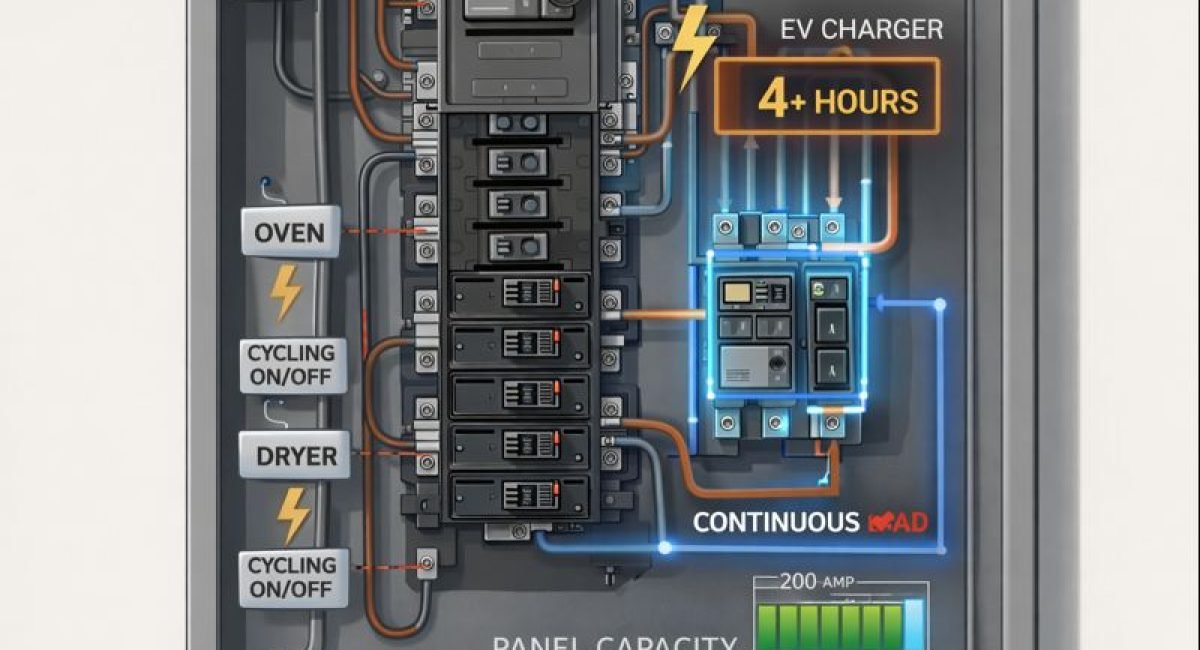
Electrical panel upgrades don’t stall because the work is complex—they stall when inspection approval doesn’t happen. A single failed item can keep permits open, delay utility power restoration, or hold up related projects like solar or a home sale. Understanding how inspections actually work prevents those delays.
This inspection applies to permitted residential electrical panel upgrades completed under local code. The guide covers inspection scope only: what inspectors check, how inspections are scheduled, what inspection costs typically include, and why approvals get delayed. It does not recommend contractors, brands, or upgrade decisions.
What Is an Electrical Panel Upgrade Inspection?
An electrical panel upgrade inspection is a required code-compliance review performed after installation and before final approval or power restoration. The inspection verifies that the installed work matches the permit and meets electrical safety standards.
Until approval is recorded and the permit is closed, the upgrade is not considered complete.
When the Inspection Happens
Inspections occur after the new panel is installed and before the permit is closed. Timing varies by jurisdiction and workload.
Common scenarios:
Same-day inspection (pre-scheduled)
Next-business-day inspection
Delayed inspection due to backlog or utility coordination
If the upgrade requires a utility disconnect, inspection timing often controls when power can be restored.
What Inspectors Check During a Panel Upgrade Inspection
While local rules vary, inspectors follow a consistent checklist focused on safety, documentation, and workmanship.
Electrical Panel Upgrade Inspection Checklist
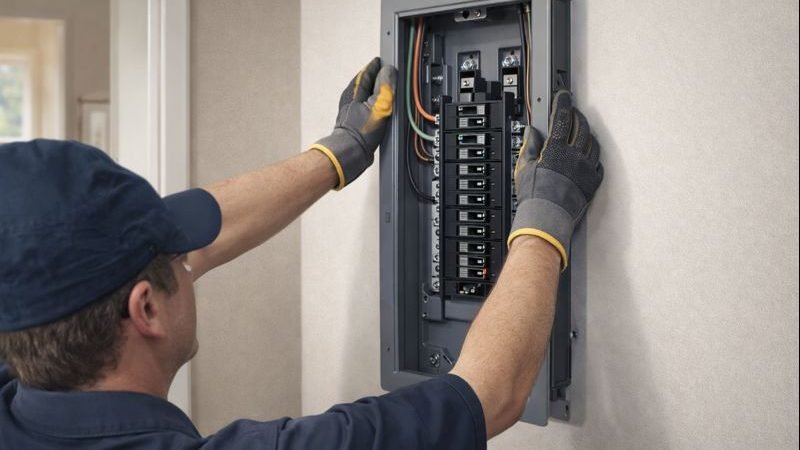
Panel Installation and Working Clearances
Inspectors confirm:
Secure mounting and proper enclosure type
Required working clearances in front of and around the panel
Panel location matches the approved permit
Clearance violations are among the most common inspection issues.
Breaker Sizing and Circuit Terminations
Inspectors verify:
Breakers are correctly sized for conductor ampacity
Conductors are properly terminated and torqued
No double-lugging or improper connections
These checks ensure circuits are protected as designed.
Grounding and Bonding
Grounding and bonding receive close scrutiny.
Inspectors look for:
Correct grounding electrode conductor installation
Required bonding jumpers in place
Proper neutral/ground separation where required
Understanding inspection and compliance helps homeowners avoid unexpected delays and better plan the electrical panel upgrade cost.
Service Conductors and Main Disconnect
If the service was modified, inspectors check:
Conductor sizing and insulation type
Proper termination at the main disconnect
Accessibility and labeling
Service issues are addressed strictly.
Panel Labeling
Accurate labeling is required for approval.
Inspectors expect:
Clear, legible circuit descriptions
Permanent labels (not pencil or temporary tags)
No generic or missing identifiers
Labeling fixes are simple but can still delay approval.
Permit Scope Match
Inspectors confirm:
Installed work matches the permit description
No unapproved changes were made
Required inspections are completed
Work outside the permit scope can halt approval.
What Inspectors Flag Most Often on Panel Upgrades
In practice, a small set of issues causes most delays:
Grounding electrode continuity problems
Neutral and ground separation errors
Mislabeled or unlabeled circuits
Working-clearance violations
Addressing these before inspection reduces reinspection risk.
Inspection Completed vs Inspection Approved
These are not the same thing.
Inspection completed: The inspector visited the site
Inspection approved: Results are recorded and the permit can be closed
Approval may be posted later the same day or after administrative processing, and utilities may require proof of approval before restoring service.
What Happens If an Inspection Fails
When an inspection fails:
The inspector lists required corrections
Corrections are completed
A reinspection is scheduled
Most failures involve minor fixes rather than major rework.
Inspection and Utility Power Restoration
If a utility disconnect was required:
Power is restored only after inspection approval
Utilities may require documented approval
Delays often stem from inspection scheduling, not electrical work
Inspection approval is the gatekeeper for restoration.
What the Electrical Panel Upgrade Inspection Does NOT Decide
This inspection does not:
Determine whether the upgrade was necessary
Evaluate installation cost or value
Recommend future electrical work
It verifies code compliance only.
Inspection Summary
Inspections confirm safety and code compliance
Grounding, labeling, and breaker sizing are key focus areas
Most inspections take under an hour
Approval is required to close the permit and restore service
Until inspection approval is recorded and the permit is closed, an electrical panel upgrade is not legally complete.
FAQs
Is an inspection required after an electrical panel upgrade?
Yes. Inspection is required in most jurisdictions to close the permit.
How long does an electrical panel upgrade inspection take?
Most inspections take 15–45 minutes on site.
What happens if the panel upgrade fails inspection?
Corrections are made and a reinspection is scheduled.
Does inspection cost extra?
Inspection is often included in the permit fee, but this varies by location.