
Upgrading an electrical panel is a regulated construction activity, not just a technical one. In most jurisdictions, it triggers permit, inspection, and electrical code requirements designed to verify safety and compliance.
This guide covers permits and compliance only. It explains when permits are required, how electrical codes apply, what inspectors check, and what happens when work is done without approval. It does not compare upgrade options or recommend whether to proceed.
Do You Need a Permit to Upgrade an Electrical Panel?
In most cases, yes. Electrical panel upgrades almost always require a permit.
Permits are typically required when:
An electrical panel is replaced or upgrade
Electrical service capacity changes
The main breaker is modified
Meter or service equipment is altered
Even when the panel size remains the same, many jurisdictions still require a permit because the work affects the home’s primary electrical distribution system.
Why Electrical Panel Permits Are Required
Electrical panels are regulated because installation errors can lead to fire hazards, equipment damage, or serious injury.
Permits exist to ensure that:
Work meets current electrical safety codes
Grounding and bonding are correctly installed
Equipment ratings match service capacity
The system is inspected before being energized
Permitting is about verification and safety, not contractor preference.
Electrical Panel Upgrade Code Requirements
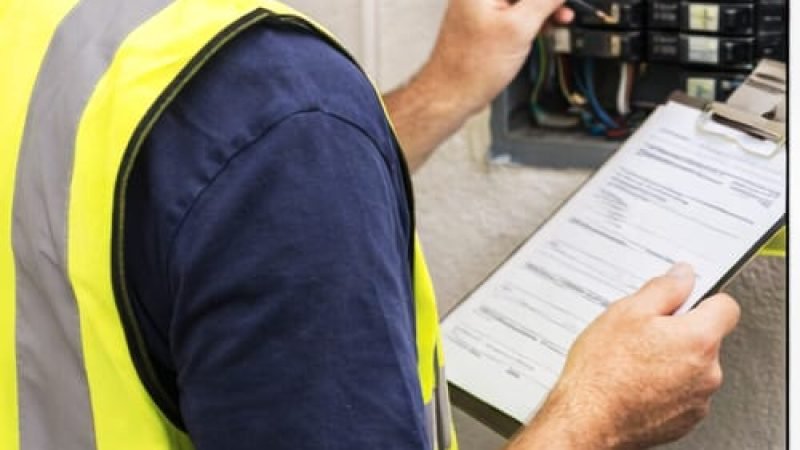
Electrical panel upgrades must comply with local building codes, which are typically based on the National Electrical Code (NEC).
While specific rules vary, most code requirements address:
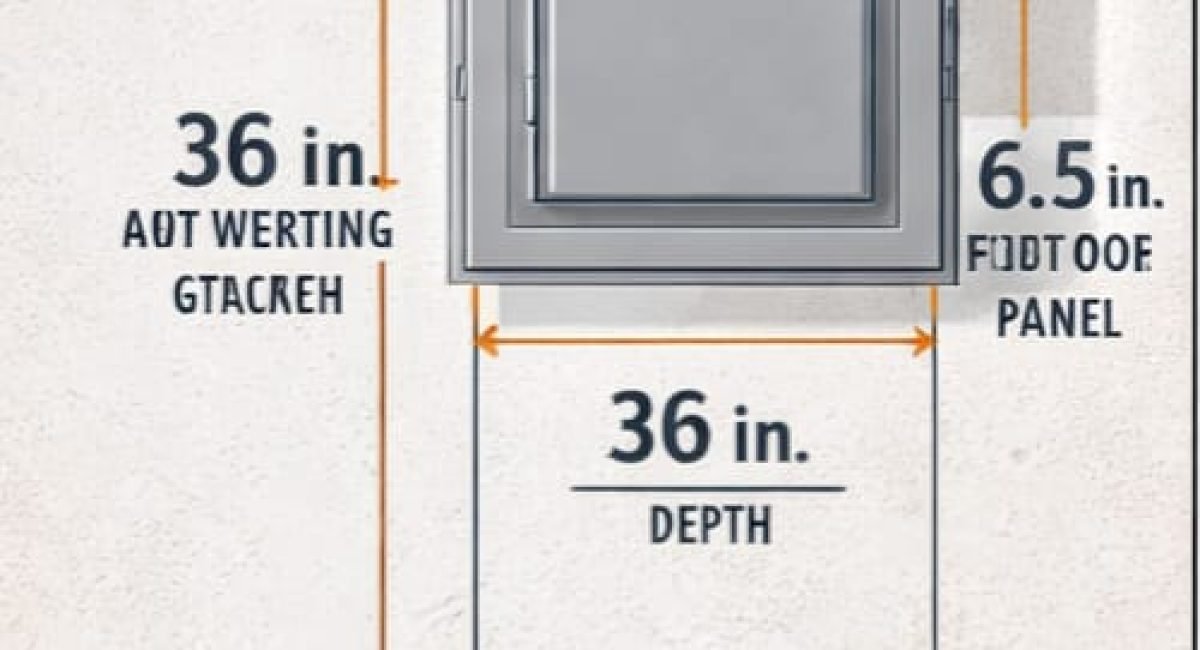
Required working clearances around the panel
Proper grounding and bonding systems
Correct breaker sizing and conductor ratings
Safe placement of service disconnects
Accurate labeling of all circuits
Local codes may be stricter than NEC standards, but they cannot be less protective.
NEC Requirements for Electrical Panel Upgrades
The NEC establishes minimum safety rules for electrical systems across the U.S. When a panel is upgraded, inspectors commonly verify compliance with NEC provisions related to:
Working space: Adequate clearance in front of the panel
Grounding system: Grounding electrodes and bonding continuity
Breaker compatibility: Approved breakers matched to the panel
Conductor sizing: Wire gauges matched to breaker ratings
Panel labeling: Clear identification of all branch circuits
It’s important to note that NEC editions are adopted locally, and many jurisdictions enforce an edition that may lag behind the most recent NEC release. Inspectors apply the locally adopted code, not the newest national edition by default.
Electrical Panel Upgrade Permit Cost
Permit fees vary by jurisdiction and project scope. While pricing is not standardized, most homeowners encounter:
Permit fees: Commonly $100–$500
Inspection fees: Included or billed separately depending on location
Permit fees are administrative costs and are separate from labor or material costs associated with the upgrade itself.
The NEC itself is not law until adopted by a city, county, or state.
In practice:
Inspectors enforce local building codes
Those codes incorporate a specific NEC edition
Local amendments may add requirements
Understanding permit fees is only one part of the process—many homeowners also review the electrical panel upgrade cost when planning a compliant upgrade.
The Inspection Process Explained
Electrical panel upgrades usually require at least one inspection, and sometimes two.
Typical inspection stages include:
Service or rough inspection – Verifies proper installation before approval
Final inspection – Confirms labeling, grounding, clearances, and compliance
Inspectors focus on safety and code adherence, not cosmetic workmanship.
What Inspectors Commonly Check
During inspection, officials typically verify:
Proper panel mounting and clearance
Correct breaker sizing and labeling
Secure grounding and bonding connections
Approved enclosures and materials
Absence of exposed or damaged conductors
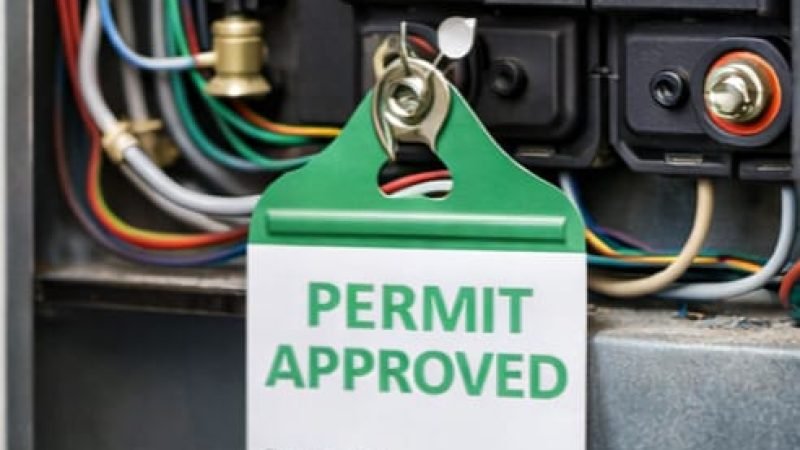
If issues are found, corrections must be completed before approval is granted.
Electrical Panel Upgrade Compliance Checklist
Compliance Item Required
Permit issued before work Yes
NEC-compliant grounding Yes
Proper working clearance Yes
Approved breakers and panel Yes
Final inspection approval Yes
This checklist reflects what inspectors generally require before approving a panel upgrade.
What Happens If You Upgrade a Panel Without a Permit
Performing an electrical panel upgrade without a required permit can create legal and financial complications.
Common consequences include:
Failed inspections during resale
Insurance claim denials
Mandatory rework or removal of installations
Fines or stop-work orders
Unpermitted work may still need retroactive inspection, often at additional cost.
Homeowner vs. Electrician Permit Responsibility
In many jurisdictions:
Homeowners may apply for permits on owner-occupied properties
Licensed electricians often pull permits for clients
Proof of licensing may be required
Regardless of who applies, the property owner remains responsible for compliance.
Utility Coordination and Service Changes
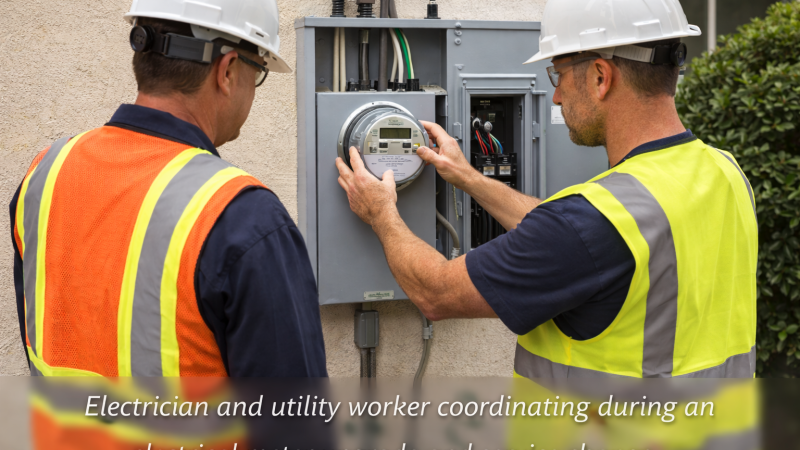
Some panel upgrades involve the electrical utility, especially when:
Service capacity changes
Meter bases are modified
Service disconnects are relocated
Utility approval does not replace local permitting requirements.
Grandfathering and Older Electrical Systems
Older electrical systems may be legally grandfathered if unchanged. However, once a panel is upgraded:
New work must usually meet current code
Existing wiring may remain if not modified
Grandfathering applies to existing conditions, not new installations.
Permit Records and Documentation
Approved permits and inspection records are maintained by local building departments. These records can:
Support insurance underwriting
Simplify property sales
Verify compliance during future inspections
Missing records may raise questions later.
Compliance Summary
Permits are usually required for panel upgrades
NEC standards form the safety baseline
Local codes govern enforcement
Inspections verify compliance before approval
While permits confirm safety and compliance, homeowners often consider the electrical panel upgrade cost when planning the overall scope of work.
Electrical panel permits exist to confirm safety, not to guide upgrade decisions.
FAQs
Do I need a permit to upgrade an electrical panel?
In most jurisdictions, yes. Panel upgrades almost always require a permit and inspection.
How much does an electrical panel upgrade permit cost?
Permit fees commonly range from $100 to $500, depending on location.
What code applies to electrical panel upgrades?
Local building codes apply, typically based on an adopted NEC edition.
Can I upgrade a panel without an inspection?
Inspections are generally required once a permit is issued.