
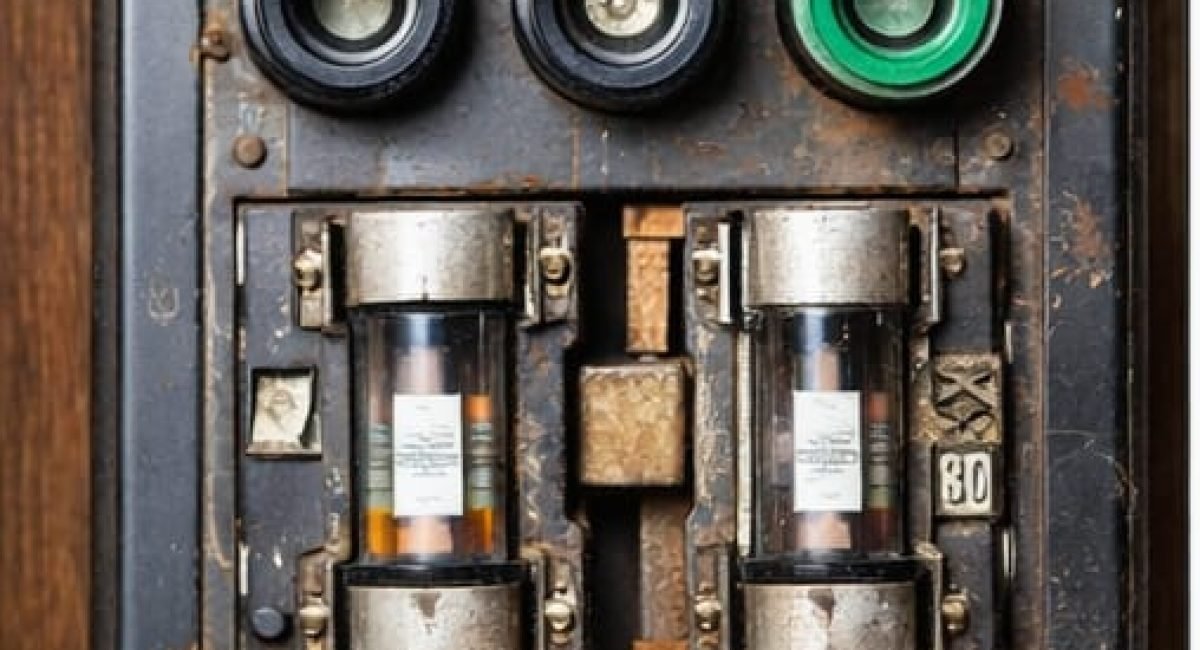
Fuse boxes are still found in many older homes, particularly those built before circuit breaker panels became standard. While these systems can operate safely under limited electrical demand, replacement is often triggered during renovations, insurance reviews, or when components begin to fail.
This guide focuses only on cost. It explains what fuse box replacement typically costs, what’s included, what’s excluded, and why prices vary. It does not recommend modern electrical upgrades or suggest what you should replace the system with.
Average Fuse Box Replacement Cost
Most homeowners pay between $1,500 and $4,000 to replace an existing fuse box.
This range usually includes removal of the legacy fuse panel, installation of a breaker-style distribution panel of similar capacity, required permits, and inspections. Actual pricing depends on access, wiring condition, and how limited the work remains to the panel itself.
Why Some Fuse Box Replacement Quotes Are Much Cheaper
Occasionally, homeowners encounter quotes that are far below the typical range. These price differences almost always come down to scope.
Common Reasons
Work performed without permits or inspections
Panel-only swaps that exclude proper circuit reconnection
Utility coordination not included
Reuse of outdated or incompatible components
Limited labor time quoted without allowance for wiring issues
Lower pricing usually reflects less work being performed, not the same replacement at a discount.
What’s Included in a Fuse Box Replacement
A standard fuse box replacement includes only the work required to remove the legacy panel and restore safe electrical distribution.
Most replacements include:
Removal of the existing fuse box
Installation of a new breaker-style panel
Reconnection of existing branch circuits
Required permits and inspections
Labor, testing, and cleanup
When access is straightforward and permits are approved in advance, many replacements are completed in a single day.
What’s Not Included in Most Fuse Box Replacement Quotes
Fuse box replacement quotes are often misunderstood. Many homeowners assume the work includes broader electrical improvements when it usually does not.
Items commonly excluded unless specified include:
Whole-home rewiring
Electrical service capacity increases
Panel relocation to a new area
Trenching or exterior conduit work
Drywall repair, painting, or finish work
New appliance or dedicated circuits
These exclusions don’t mean the quote is incomplete—they mean the scope is intentionally limited.
Legacy Safety Clarification: Age vs. Failure
A fuse box being old does not automatically make it dangerous. Many systems continue operating for decades when electrical loads remain low and components are intact.
Problems typically arise from:
Overloading beyond original design limits
Improvised or incorrect fuse replacements
Deteriorated wiring connected to the panel
Replacement costs reflect the labor required to remove the legacy system and reconnect circuits safely, not age alone.
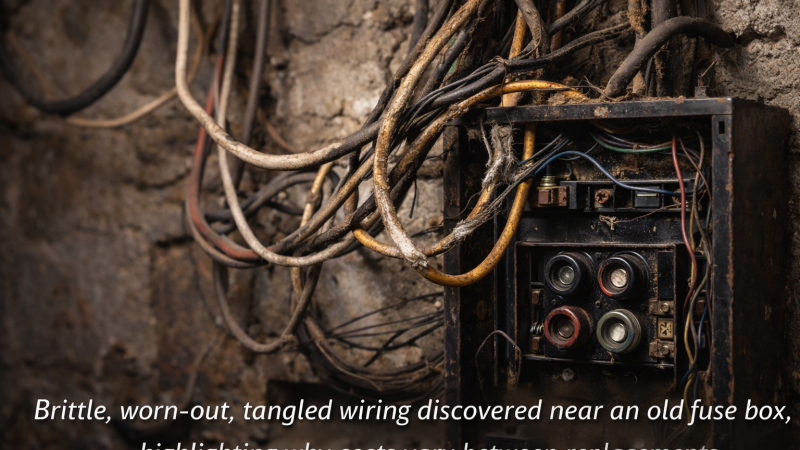
Why Fuse Box Replacement Costs Vary So Widely
Two fuse box replacements rarely cost the same. Variations usually come from the condition of the home rather than the panel itself.
Key cost drivers include:
Wiring condition: Brittle or non-compliant wiring increases labor time
Panel access: Tight basements or finished walls slow installation
Permit requirements: Additional inspections in some jurisdictions
Utility coordination: Temporary disconnects may be required
Material costs are typically predictable. Labor time and inspection complexity drive most price differences.
Fuse Box Replacement vs. Repair (Cost Perspective)
From a pricing standpoint, replacing a fuse box costs significantly more than repairing it, but repairs are often limited in scope.
Minor fuse box repairs: $150–$500
Full fuse box replacement: $1,500–$4,000
Repairs address individual components. Replacement involves removing the entire panel and reconnecting circuits.
In many homes, replacement decisions eventually lead homeowners to compare the broader electrical panel upgrade cost when planning long-term electrical reliability
Inspection and Insurance Reality
Fuse boxes can still pass inspections in some jurisdictions when they meet minimum safety requirements. Insurance carriers, however, often apply stricter standards than local codes.
Common situations where replacement costs surface include:
Insurance underwriting requests
Buyer negotiations during home sales
Appraisals flagging legacy electrical systems
These situations don’t change the replacement process, but they often explain why the cost becomes relevant.
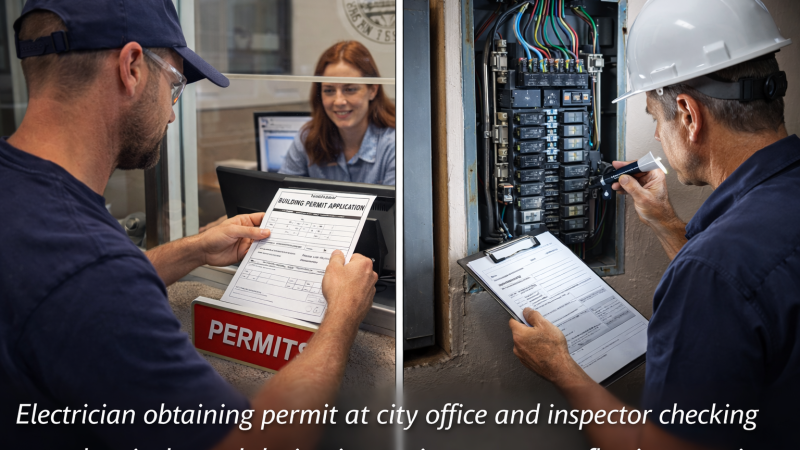
Permit and Inspection Costs
Permits and inspections are required for fuse box replacements in most areas.
Typical ranges include:
Permit fees: $100–$400
Inspection fees: Often included, sometimes billed separately
When handled by licensed electricians, failed inspections are uncommon.
Timeline and Power Interruption
Most fuse box replacements follow a predictable timeline:
Power shutoff: Several hours on installation day
On-site work: 4–8 hours in most cases
Inspection: Same day or scheduled shortly after
Delays are usually related to permit approval rather than installation difficulty.
Regional Price Patterns (High-Level)
While pricing is always local, broad trends exist:
Northeast and West Coast: Higher labor and permit costs
Midwest and Southern regions: More moderate pricing
Rural areas: Lower labor costs, occasional utility fees
These patterns explain variation but don’t replace local estimates.
Cost Summary
Most common cost: $2,300–$3,200
Lower-bound projects: Around $1,500
Higher-scope projects: $4,000+ when access or wiring issues exist
Fuse box replacement is a defined electrical task when the scope remains limited to the panel.
For comparison beyond legacy systems, homeowners often review the average cost to replace an electrical panel before making final decisions.
FAQs
How much does it cost to replace a fuse box?
Most homeowners pay between $1,500 and $4,000, depending on wiring condition, permits, and labor rates.
Does replacing a fuse box require rewiring the house?
Not automatically. Rewiring is only required if existing wiring is unsafe or non-compliant.
How long does a fuse box replacement take?
Most replacements are completed in one day, with inspections shortly after.
Does location affect fuse box replacement cost?
Yes. Labor rates, permit fees, and inspection rules vary by region.