
Circuit Breakers Issues
What is a Circuit Breaker
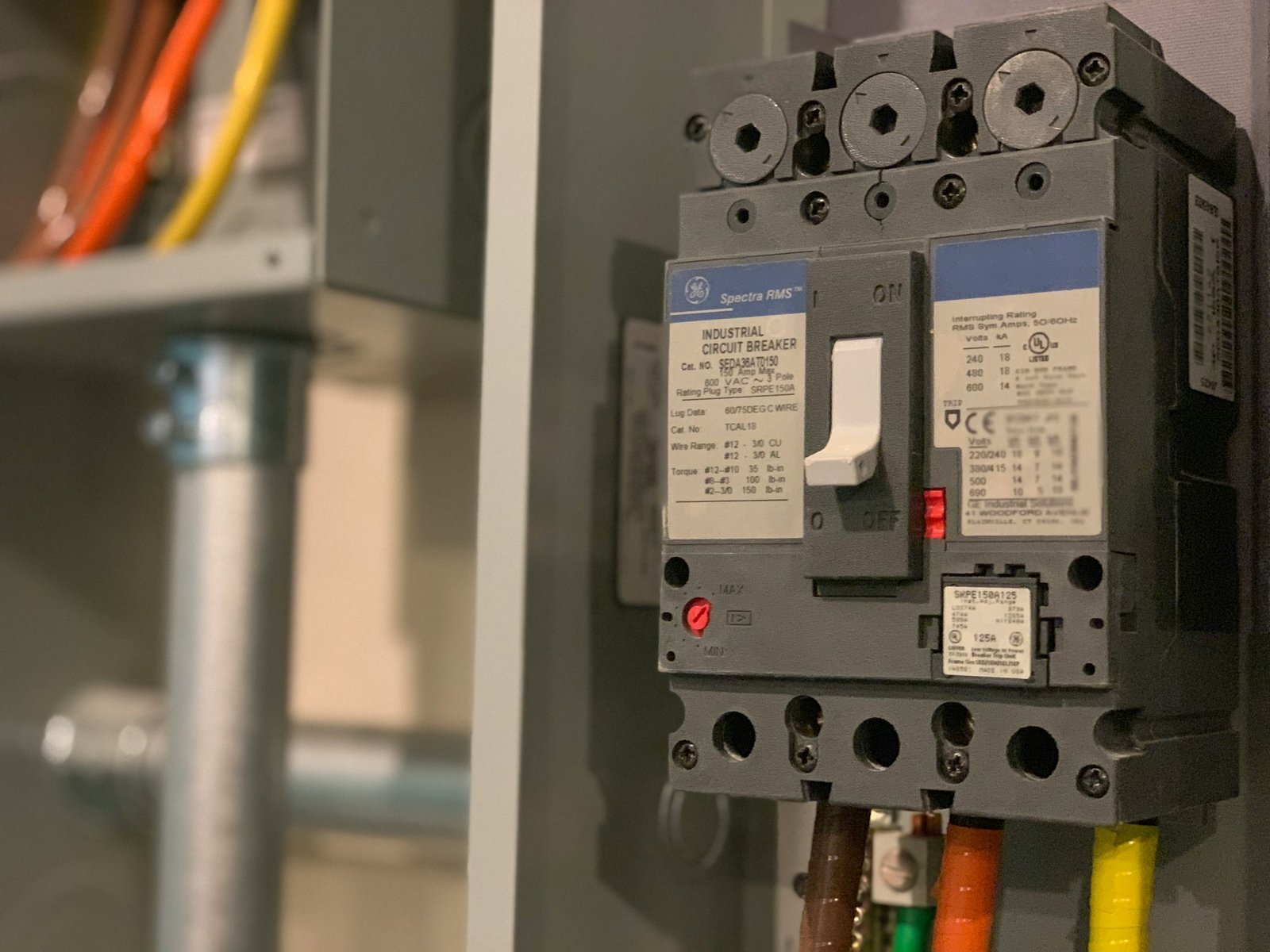
Circuit breakers protect your home’s electrical system by shutting off power when circuits are overloaded or short circuits occur.
Signs You Need Breaker Replacement
Common Breaker Problems
Circuit Breaker Issues — Understanding System Warnings in the Home
Circuit breakers are safety devices designed to interrupt power when electrical limits are exceeded. When breaker issues appear, they are usually system warnings, not random failures.
Common signs include repeated tripping, breakers that feel warm to the touch, faint buzzing sounds, or circuits shutting off during normal use. These behaviors often point to conditions such as increased electrical demand, overloaded circuits, aging components, or connection problems elsewhere in the system.
Not every breaker issue signals immediate danger. However, patterns that persist or worsen over time should not be ignored. In many cases, the breaker itself is responding correctly to stress within the electrical system.
This page is intended to help homeowners understand what circuit breaker issues indicate, why they occur, and when further evaluation may be appropriate. It does not provide repair instructions or promote unqualified electrical work.
The purpose is clarity — recognizing normal behavior, identifying meaningful warning signs, and understanding when professional review may be necessary.